A city that changes
The workshop awning, the courtyard tree and the mooring post are learned in 1519 and recognized, changed, in 1521.
AN ADVENTURE BY COPAL GAMES
Tenochtitlan 1521
One place, two years later.
Two ways to cross it.
Sample in development · Password access
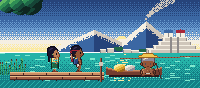
In 1519, the landing is a place of work: loaded canoes, Xalli's workshop with its awning, a tree in the courtyard and a mooring post.
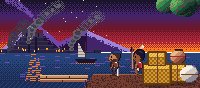
Two years later, Tenochtitlan is under siege. The causeways are cut, the central crossing is broken, and the everyday route becomes a problem. What you learned by walking it is now your best tool.
Play the same city from both shores of the canal: as Izel, a messenger who knows every street and canal, and as Diego, a Spanish soldier and shipwright by trade, who relies on Yohu to understand what he finds.
Izel, Diego, their companions and the landing are fictional, set in Mexico-Tenochtitlan between 1519 and 1521. The settings are an artistic interpretation.
Slide to compare the landing in 1519 and in 1521. This is the game's own map, painted pixel by pixel.
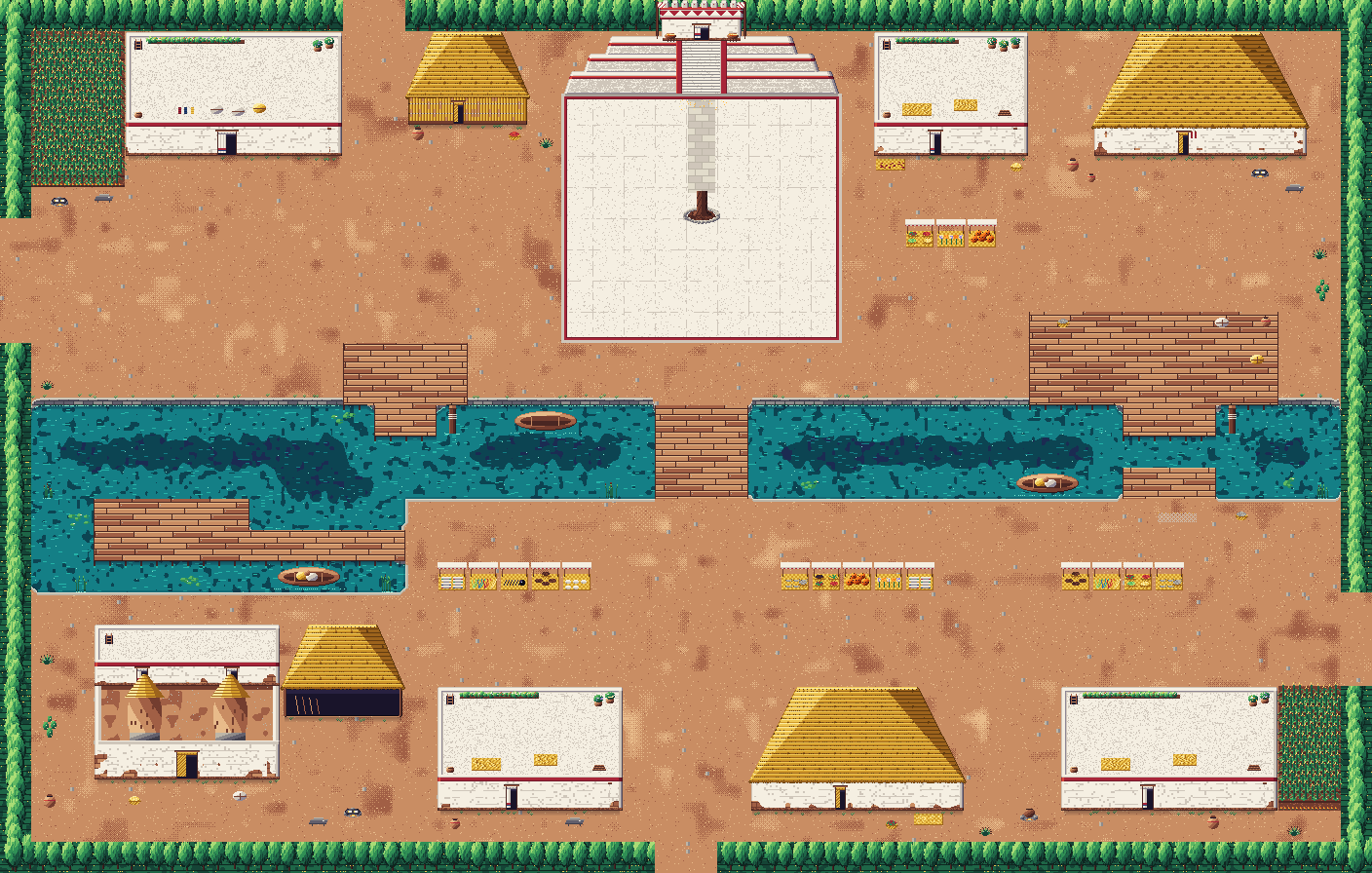
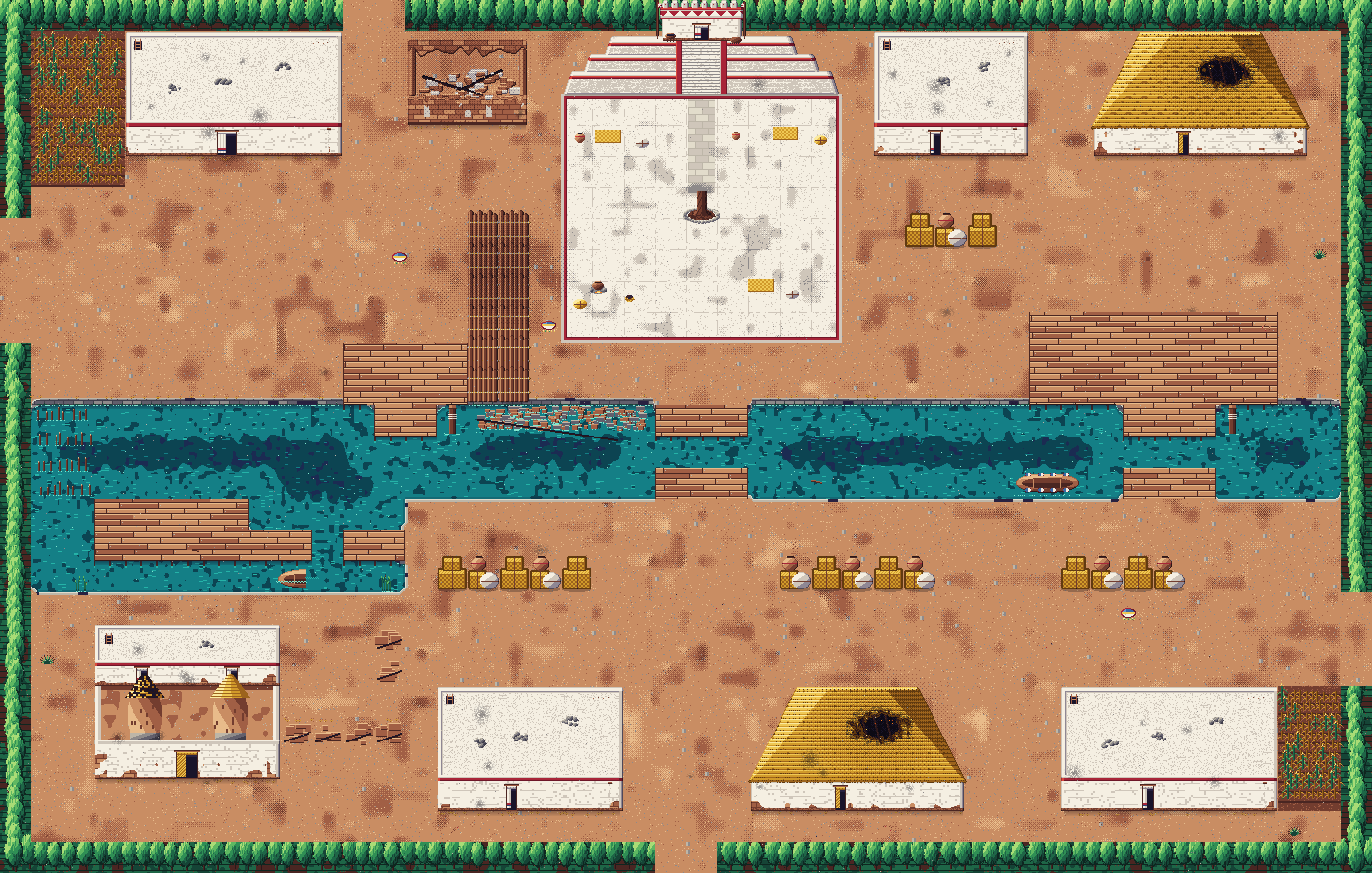 1519 · DAILY LIFE1521 · THE CITY UNDER SIEGE
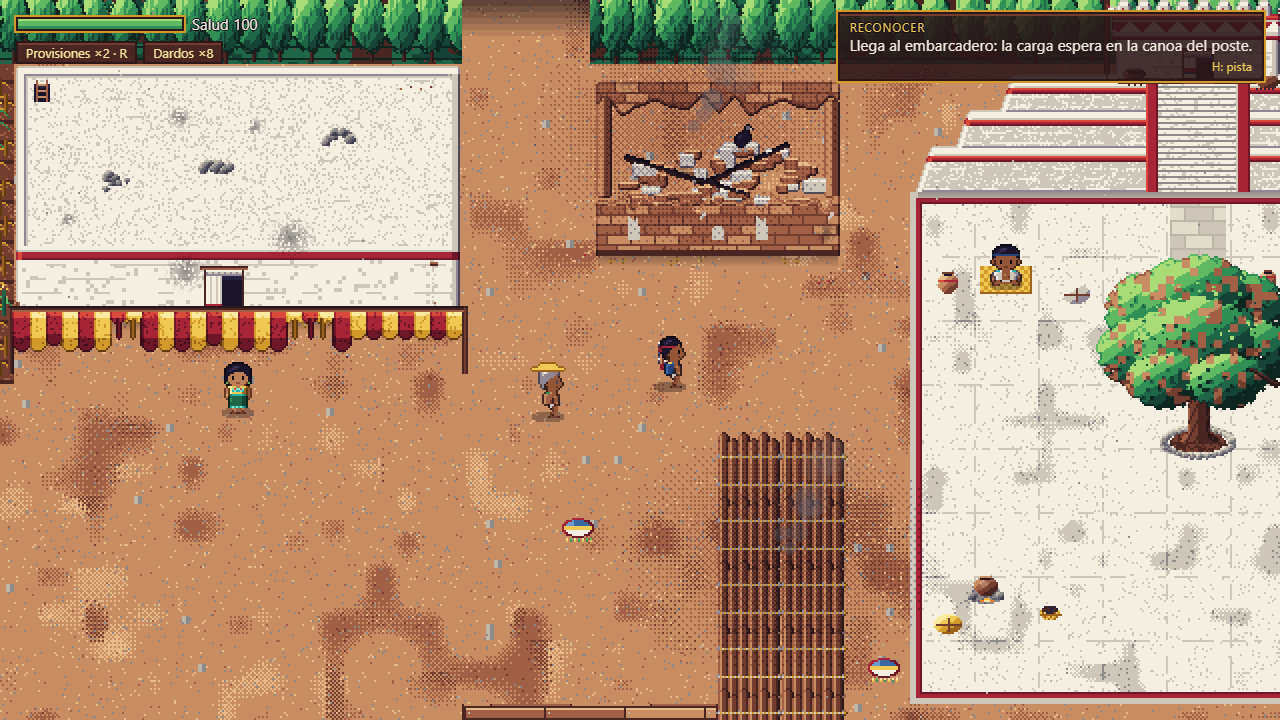
Izel carries materials to Xalli's workshop and messages to the landing. In 1521 he uses what he knows (the side path by the tree, the mooring, the workshop dock) to bring a loaded canoe to where the neighbors can unload it. Tecu, the boatman, holds the rope when it matters.
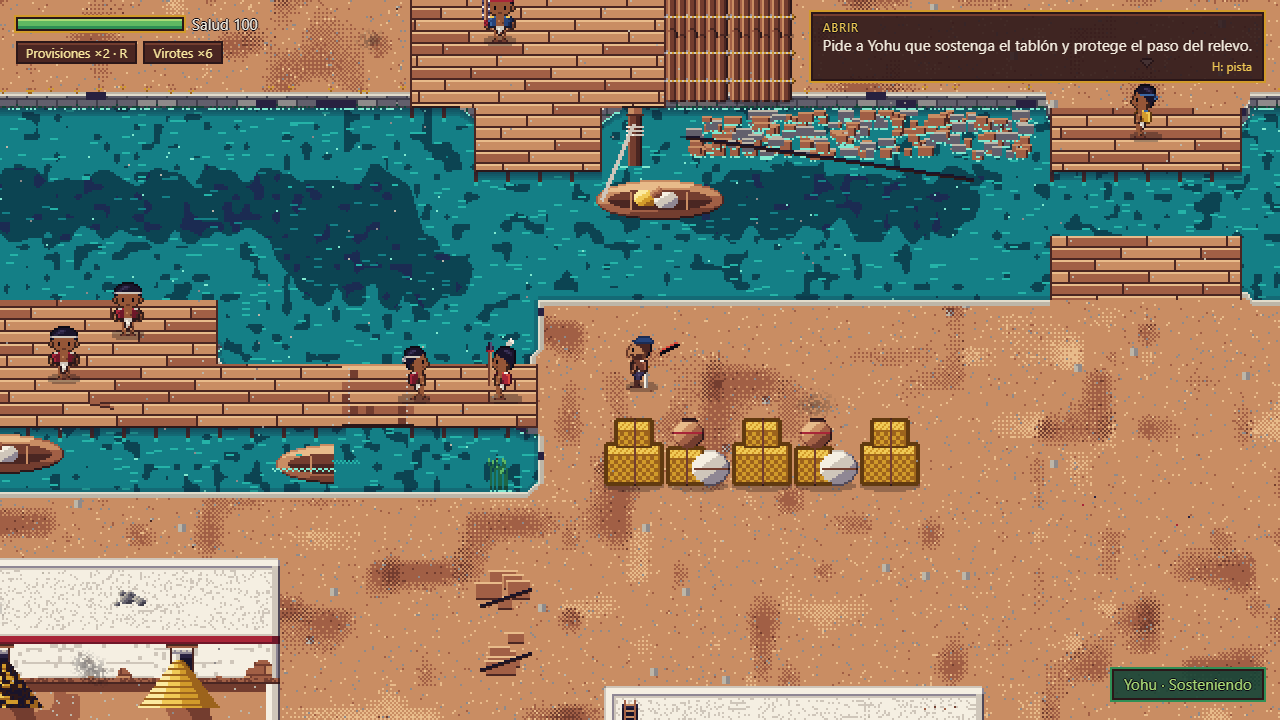
Diego comes from far away and relies on Yohu, a Tlaxcaltec fighter and liaison, to read what he finds. In 1521 he looks for a way across from the other shore: a plank, a broken walkway and a relief party waiting at the west dock.
The workshop awning, the courtyard tree and the mooring post are learned in 1519 and recognized, changed, in 1521.
Attack, dodge and use a ranged weapon. Enemies telegraph before they strike: choosing where to pass matters as much as fighting.
At the end of each route there is material to reinforce only one access. Your choice is saved and changes how the way out is prepared.
Real screenshots from the sample in development. Select an image to enlarge it.
Playable sample in development · In Spanish · 15–20 minutes
“The Last Crossing” (El último paso) is the sample that tests the game's idea: a prologue in 1519, the transformation of the landing and the 1521 mission with Izel and with Diego. It runs in the browser, and access is private, with a password.
The test is closed. If Copal Games gave you a password, select “Play the private test”. To request access, write to support@copal.games.
An up-to-date browser on a computer, with keyboard and mouse. The sample also accepts gamepad and touch controls, which are still being tested. Your progress is saved in the browser.
The playable sample is in Spanish only for now. This website is available in four languages.
Yes: more time to anticipate attacks, reduced damage, hold to attack, large text, high contrast, reduced effects, sound captions, aim assist and remappable controls.
The siege of Mexico-Tenochtitlan, from May to August 1521, is historical. Izel, Diego, their companions, the landing and their errands are fictional. The settings are an artistic interpretation based on general sources.